Chongqing Overview
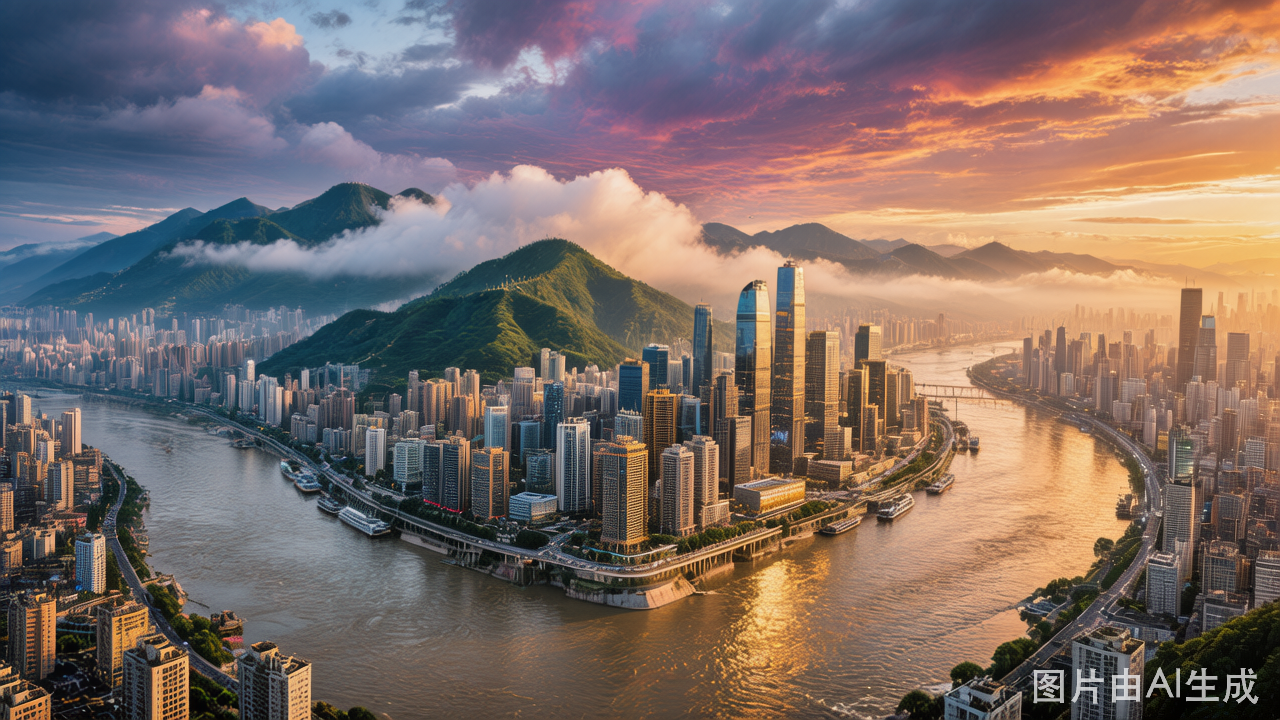
Chongqing, abbreviated as "Yu," is one of China's four direct-controlled municipalities, located in Southwest China along the upper Yangtze River. With a total area of 82,400 square kilometers and 38 districts and counties, Chongqing is the largest and most populous municipality in China.
Known for its unique geography, Chongqing is famous as the "Mountain City," "River City," and "Fog City." The city is built on mountains and by rivers, with towering buildings creating a distinctive three-dimensional urban landscape. The Jialing River and Yangtze River meet here, creating spectacular views of the two rivers and four banks.
Location
Southwest China, Upper Yangtze River
Population
32+ million residents
History & Culture
Chongqing has a long history and is a nationally designated historic and cultural city. Over 3,000 years of recorded history has left rich cultural heritage. The Ba-Yu culture runs deep, and the Dazu Rock Carvings are a UNESCO World Heritage Site, while Huguang Guild Hall preserves important cultural memory.
As the wartime capital during the Anti-Japanese War, Chongqing holds significant historical importance. Attractions like Zhazidong and Baigongguan draw many visitors to commemorate history.
UNESCO Heritage
Dazu Rock Carvings - One of the world's eight major grottoes
Yangtze Three Gorges
One of the world's most magnificent canyon landscapes
Food Capital
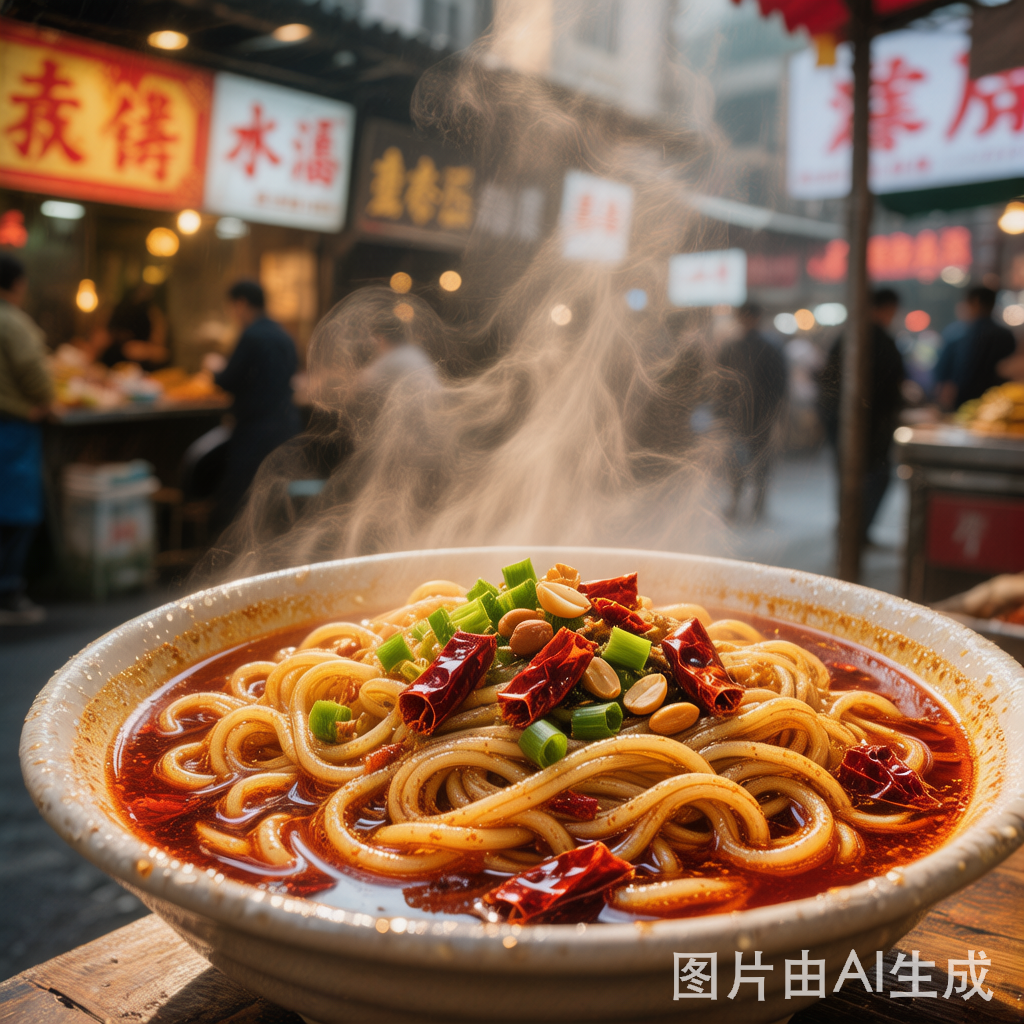
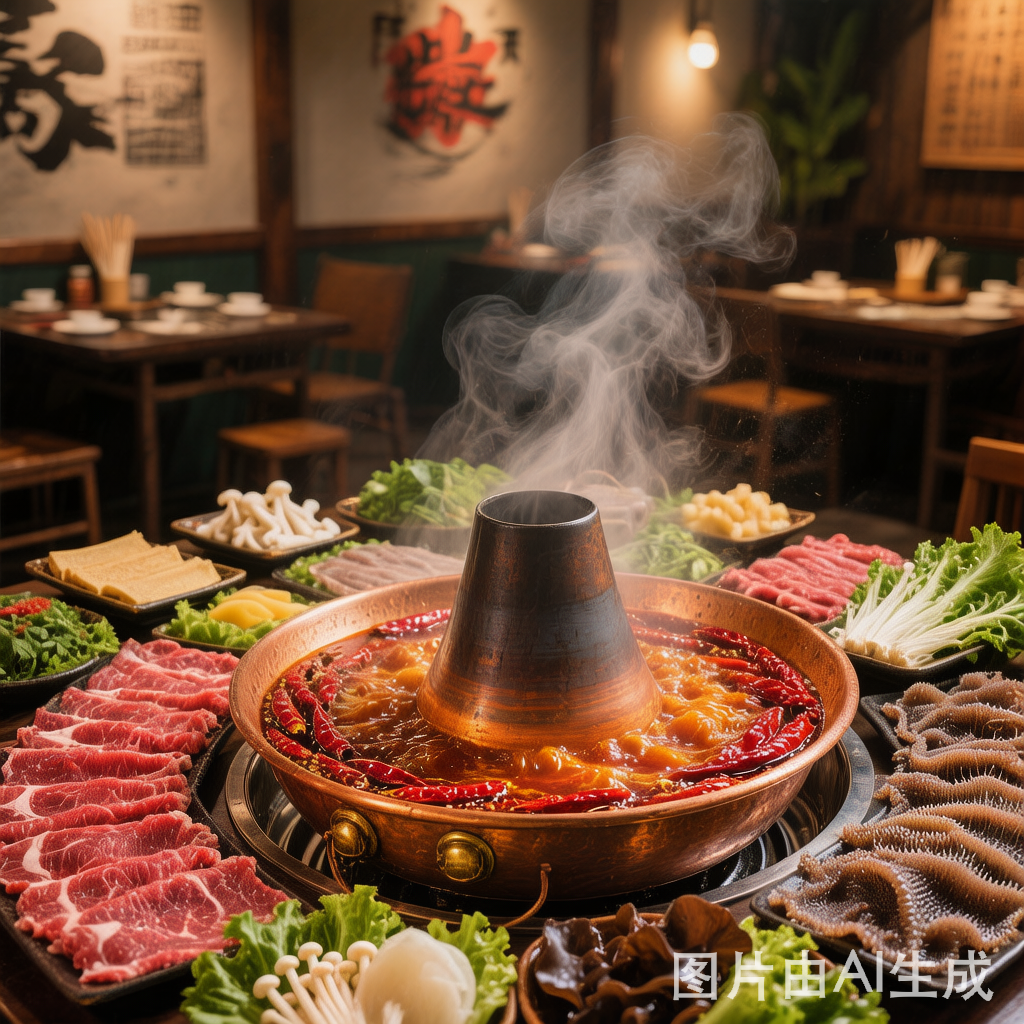
Chongqing is a renowned "Food Capital." Hot pot, Xiaomian (small noodles), and Suanlafen (sour and spicy noodles) are famous nationwide. Chongqing Hot Pot, with its uniquely spicy and aromatic flavor, has become a representative of Chinese culinary culture.
Food streets like Jiefangbei, Hongya Cave, and Ciqikou gather various Chongqing specialty snacks, allowing visitors to experience the city's fiery style while enjoying local cuisine.
Chongqing Hot Pot
Spicy, fragrant, and famous worldwide
Chongqing Xiaomian
The breakfast choice of Chongqing locals